What to Do If a Winter Storm Damages Your Windows or Siding
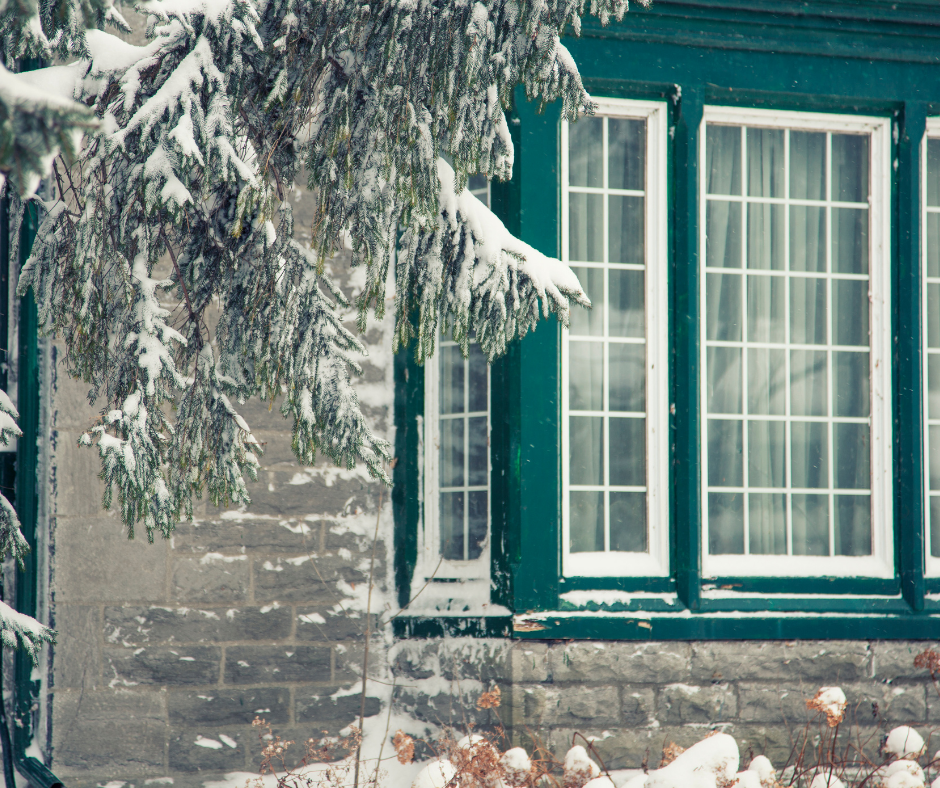
Northern Virginia winters don’t always bring heavy snow, but they often bring strong winds, ice, and sudden temperature swings. A single storm can loosen siding panels, crack a window, or send a tree limb into the side of your house. When that happens, it’s hard to know what to do first.
Taking the right steps in the first few days can protect your home from further damage and make the insurance and replacement process go more smoothly. Here’s what to check after a winter storm, how to document the damage, and when to call a professional.
How Winter Storms Damage Windows and Siding
Most winter storm damage comes from a few common sources:
- High winds that lift, loosen, or tear off siding panels, especially along corners and edges
- Falling branches and windblown debris that crack glass, dent siding, or damage window frames
- Ice and freezing rain that add weight to gutters and trim and can pull them away from the house
- Cold temperatures that make vinyl siding less flexible, so it may crack more easily when something hits it
- Melting snow and ice that find their way into gaps left by damaged siding or seals
Even minor damage matters in winter. Once siding is loose or a window seal is broken, water can get behind the surface, freeze, and expand, which can turn a small problem into a bigger one.
What to Check After a Storm
Once the weather clears and it’s safe to go outside, walk around your home and look for signs of damage.
Siding
- Missing, cracked, or dented panels
- Panels that are loose, flapping, or pulled away from the wall
- Gaps at corners, trim, and around windows and doors
- Damaged or sagging gutters and trim
Windows
- Cracked or broken glass
- Fog or condensation between the panes that wasn’t there before, which can mean a seal has failed
- Bent or damaged frames, sashes, or screens
- New drafts or water stains around windows inside your home
Don’t climb a ladder or walk on icy surfaces to check your home. Many problems can be spotted safely from the ground. For more on spotting cold-weather wear, see our guide on how to spot winter damage on your home’s siding and windows.
Steps to Take Right Away
Stay Safe First
If a window is broken or a tree limb is resting against your house, keep your family and pets away from the area. Watch for broken glass inside and out. If you see downed power lines, stay clear and call your utility company to report them.
Document the Damage
Before you clean up, take clear photos and videos of the damage from several angles, both close up and from a distance. Write down the date of the storm. Photos taken before any cleanup or temporary fixes can be helpful if you file an insurance claim.
Cover the Damage to Prevent More
Many insurance policies expect homeowners to take reasonable steps to prevent additional damage after a storm. Covering a broken window with plywood or heavy plastic, or securing a loose section of siding, can help keep water and cold air out until the damaged windows or siding are replaced. Keep receipts for any materials you buy.
Contact Your Insurance Company
If the damage looks significant, contact your insurance company to ask about your coverage and how to start a claim. Many homeowners policies cover sudden damage from wind and falling trees, but coverage varies, and some policies have deadlines for reporting damage. Your agent can tell you what applies to your home.
How Tri County Can Help With Storm Damage
Storm damage isn’t always obvious, and what looks like a few loose panels can sometimes point to a bigger problem underneath. Tri County specializes in full removal and replacement of storm-damaged siding and windows for homes throughout Northern Virginia, including homes with hail and wind damage. Our team will explain your replacement options and help restore your home’s protection.
If you’re filing a claim, we can also help with the insurance claim process. Our team can help you put together the information your insurance company needs and work with your insurance provider during the claim.
If the storm damaged windows or siding that were already showing their age, it may make sense to talk about replacement instead of patching. Durable James Hardie fiber cement siding or new replacement windows can give your home better protection for the winters ahead.
Watch Out for Storm Chasers
After major storms, some contractors go door to door offering quick repairs. Not every door-to-door contractor is a scam, but it’s important to do your homework before signing anything. Before hiring anyone:
- Make sure the contractor is licensed in Virginia and carries liability insurance and workers’ compensation coverage
- Read online reviews and check with the Better Business Bureau
- Ask for a detailed written estimate that covers the scope of work, materials, timeline, and cost
- Ask about warranties on both materials and workmanship
A local company with a long track record will still be around if you need help later. Tri County has served Northern Virginia homeowners for more than 20 years and is A+ rated with the Better Business Bureau.
Frequently Asked Questions
Should I call my insurance company or a contractor first?
If the damage looks significant, contact your insurance company promptly to report it and learn about your coverage. A replacement contractor can then give you an estimate for the work. Either way, take photos of everything before cleanup.
Does homeowners insurance cover siding and window damage from storms?
Many policies cover sudden damage from wind, hail, and falling trees, but coverage, deductibles, and exclusions vary. Damage caused by normal wear and tear or lack of maintenance usually isn’t covered. Check with your insurance agent to understand your policy.
Can damaged siding be repaired, or does it need to be replaced?
It depends on how much of it is damaged and the condition of the rest of your siding. Small, isolated damage can sometimes be patched by a repair contractor. Tri County focuses on full removal and replacement, which is usually the better long-term option when siding is older or the damage is widespread. Matching the color of older, faded siding can also be difficult, which is another reason many homeowners choose to replace.
How quickly should storm damage be addressed?
As soon as you can. Loose siding and broken windows let in moisture and cold air, and the damage can get worse with each storm or freeze. Covering the damage can help in the short term, but it’s best to start your insurance claim and get a replacement estimate soon after the storm.
Get Help After a Winter Storm
Winter storms can do real damage to your home’s exterior, but acting quickly can keep a small problem from becoming a bigger one. Stay safe, document the damage, cover what you can, and reach out to a trusted local contractor.
Tri County Windows and Siding helps homeowners in Loudoun, Fairfax, and Prince William Counties replace storm-damaged windows and siding and protect their homes. Ask about our Military, First Responder, Teacher, and Senior Citizen discounts. Request your free estimate today.