The Hidden Costs of Delaying Window Replacement
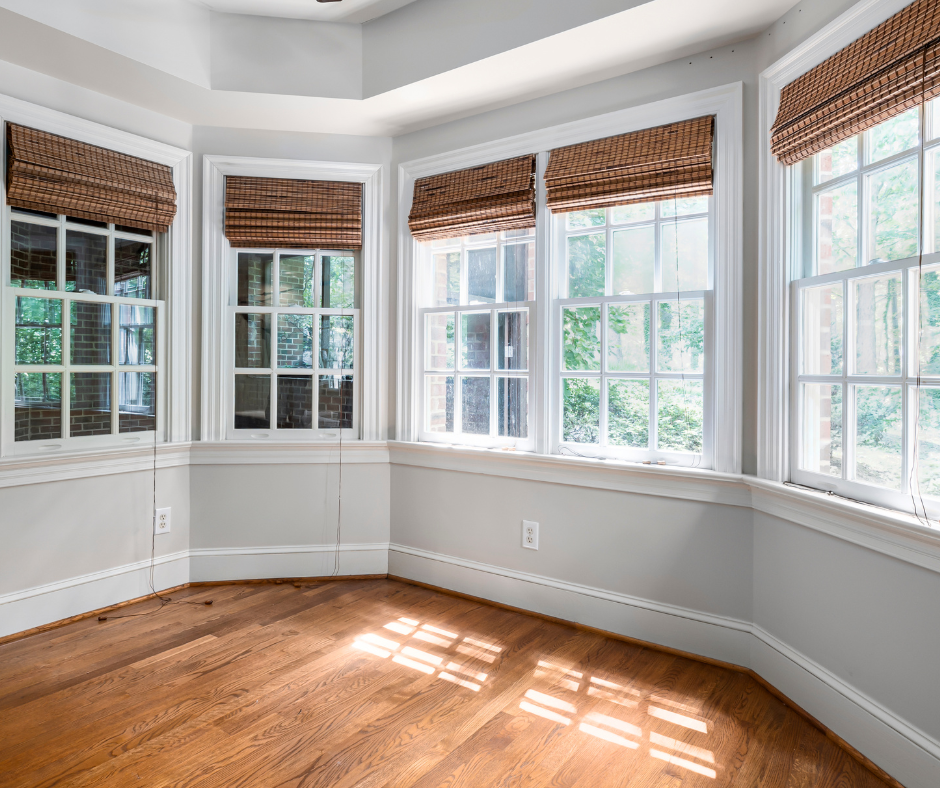
Delaying window replacement allows air and moisture to enter your home, creating hidden damage that worsens with every season. Small issues like drafts or condensation often signal deeper problems behind the walls. This blog breaks down the real risks of waiting, how window failure impacts your home, and how early action helps protect structural integrity and long term value.
What Happens When You Delay Window Replacement
Energy Loss from Drafty Windows
Windows with failing seals or aging frames allow warm air to escape and cold air to enter. Over time, this creates inconsistent indoor temperatures and forces heating and cooling systems to work harder just to maintain comfort.
Common signs include:
- Rooms that feel colder than the rest of the home
- Drafts near windows even when closed
- Increased condensation during temperature swings
Hidden Water Intrusion Behind the Frame
Water intrusion is the most serious and least visible consequence of delayed window replacement.
A window can look intact from the inside while moisture slowly enters behind the frame. This trapped moisture often goes unnoticed until damage becomes widespread.
Hidden moisture can lead to:
- Insulation losing effectiveness
- Soft or weakened drywall
- Rotting wood around the window opening
- Mold growth behind finished walls
- Compromised structural framing
By the time visible signs appear, damage has typically progressed well beyond the window itself.
Interior Damage Caused by Drafts
Failing windows impact more than temperature. Repeated exposure to cold air and moisture stresses interior materials throughout the year.
Common interior issues include:
- Warped trim and casing
- Peeling or bubbling paint
- Cracked or failing caulk
- Condensation buildup during extreme weather
These problems often require repeated repairs when window issues are not addressed at the source.
Impact on Home Value and Buyer Confidence
Modern buyers pay close attention to energy efficiency and moisture protection. Aging or visibly compromised windows can raise concerns during inspections and reduce confidence in a home’s overall condition.
Replacing windows before damage worsens helps preserve curb appeal, prevent inspection issues, maintain confidence when listing, and support long term home value.
Emergency Issues Become More Likely
When windows continue to deteriorate, sudden problems are more likely to occur.
These include leaks during heavy rain, fogged or cracked glass, frame separation, and rapid deterioration during freeze thaw cycles.
These issues often appear unexpectedly and require immediate attention, disrupting schedules and increasing stress for homeowners.
Window Replacement vs Repair
Repair may be appropriate when:
- Issues are isolated and minor
- Frames and seals are still structurally sound
- Windows are relatively newer
Replacement is typically the better option when:
- Drafts or condensation keep returning
- Water intrusion is present
- Windows are older and less efficient
- Interior damage is starting to appear
Addressing the root cause prevents ongoing issues from spreading throughout the home.
Why Homeowners Trust Tri County
Our team works with homeowners across the region to identify early signs of window failure before they turn into major structural issues. We believe in trust and transparency, providing clear inspections and honest recommendations so you can make informed decisions that protect your home for the long term.
FAQs
How do I know if my windows need to be replaced?
Recurring drafts, condensation between panes, water stains, or difficulty opening and closing windows are common indicators.
Can water damage exist even if I do not see it?
Yes. Moisture often enters behind the frame and causes damage long before visible signs appear.
Do energy efficient windows make a noticeable difference?
Energy efficient windows improve comfort by reducing drafts, condensation, and temperature fluctuations throughout the home.
Is it risky to keep repairing old windows?
Repeated repairs can mask underlying issues and allow moisture or air infiltration to continue causing damage.
When is the best time to inspect my windows?
Late winter and early spring are ideal times, as seasonal temperature changes make window issues easier to detect.
If you are noticing drafts, condensation, discoloration, or changes in comfort near your windows, now is the time to take a closer look.
Schedule a window inspection today and get clear guidance on whether replacement is the right next step for your home.