Did Your Windows Survive Winter? Here’s How to Tell
Signs Your Windows Didn’t Survive Winter and What to Do Next
Winter can take a serious toll on your home’s windows, especially in the Mid-Atlantic region where freezing temperatures, moisture, and constant expansion and contraction push materials to their limits. Many homeowners do not notice the damage right away. But as temperatures begin to rise, the signs become more visible and more costly if ignored.
If you are seeing drafts, condensation, or higher energy bills, your windows may not have made it through the season as well as you think. Here is what to look for, why winter causes window damage, and what steps to take next.
Common Signs Your Windows Did Not Survive Winter
Identifying problems early can prevent larger issues later. Here are the most common warning signs to look for this spring.
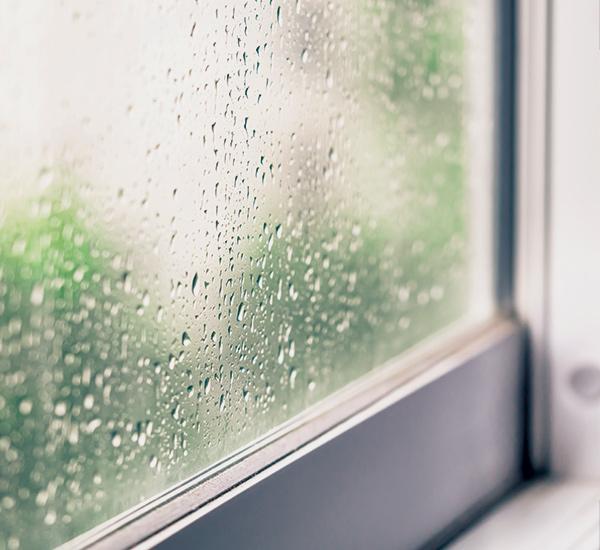
Condensation Between Glass Panes
If you notice fog or moisture trapped between panes, the seal has likely failed. This means your window is no longer properly insulating your home, allowing outside air to affect indoor temperatures.
Drafts or Temperature Changes Near Windows
Cold spots or noticeable airflow near your windows often point to worn seals, gaps, or frame damage. Even small drafts can significantly affect comfort and energy efficiency.
Rising Energy Bills
If your heating costs were higher than expected this winter, your windows could be a major factor. Poor insulation forces your HVAC system to work harder to maintain consistent temperatures.
Warped or Damaged Frames
Extreme temperature swings can cause window frames to expand and contract, leading to warping, cracking, or difficulty opening and closing.
Difficulty Opening or Closing Windows
Windows that stick, jam, or will not stay open properly may have experienced structural stress during colder months.
Visible Water Damage or Soft Spots
Moisture intrusion around the window can lead to wood rot, mold, or interior damage if left unaddressed.
Why Winter Causes Window Damage
Winter weather creates the perfect conditions for window failure, especially in older or lower quality installations.
Freeze and Thaw Cycles
Repeated freezing and thawing causes materials to expand and contract, weakening seals and frames over time.
Moisture Exposure
Snow, ice, and condensation can seep into small gaps, leading to long term damage that may not be immediately visible.
Aging Materials
Older windows are more susceptible to winter stress, especially if seals or insulation have already begun to break down.
What to Do If You Notice These Signs
If your windows are showing signs of damage, acting early can save you money and prevent more serious issues.
Schedule a Professional Inspection
A trained expert can identify whether the issue is repairable or if replacement is the better long term solution.
Address Small Issues Quickly
Minor problems like seal failure or small drafts can often be fixed before they lead to larger structural damage.
Consider Energy Efficient Upgrades
If your windows are older, replacing them with modern, energy efficient options can improve comfort and reduce monthly utility costs.
Plan Ahead for Spring and Summer
Spring is one of the best times to replace windows, before peak summer heat puts additional strain on your home.
Repair or Replace? How to Decide
Not every issue requires full window replacement, but some signs indicate it is the smarter investment.
Repair May Be Enough If
- The issue is isolated to one window
- The frame is still structurally sound
- Damage is minimal and recent
Replacement Is Likely the Better Option If
- Multiple windows show seal failure
- Frames are warped or deteriorating
- You are experiencing ongoing energy loss
- Windows are 15 to 20 years old or older
A professional evaluation can help you make the right call based on your home and budget.
Frequently Asked Questions
How do I know if my window seal is broken?
Fog or condensation between the glass panes is the most common sign of seal failure.
Are drafts from windows normal after winter?
No. Drafts typically indicate gaps, worn seals, or improper insulation.
Can damaged windows increase energy bills?
Yes. Poor insulation forces your heating and cooling system to work harder, increasing energy costs.
Is spring a good time to replace windows?
Yes. Spring offers ideal weather conditions and helps prepare your home for summer heat.
How long do windows typically last?
Most windows last between 15 and 25 years depending on quality and maintenance.
Do Not Ignore the Signs of Winter Window Damage
Winter damage to your windows is not always obvious, but ignoring the signs can lead to higher energy costs, reduced comfort, and more expensive repairs down the road.
If you have noticed condensation, drafts, or rising energy bills, now is the time to take action. At Tri County Windows and Siding, we help homeowners identify problems early and provide clear, honest recommendations on the best path forward. Our process is built on trust and transparency, so you can feel confident in every decision you make for your home.
Schedule your inspection today and make sure your windows are ready for the seasons ahead.